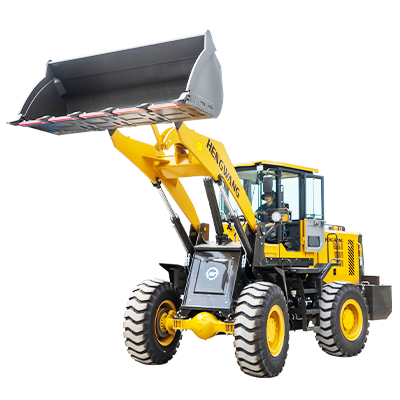
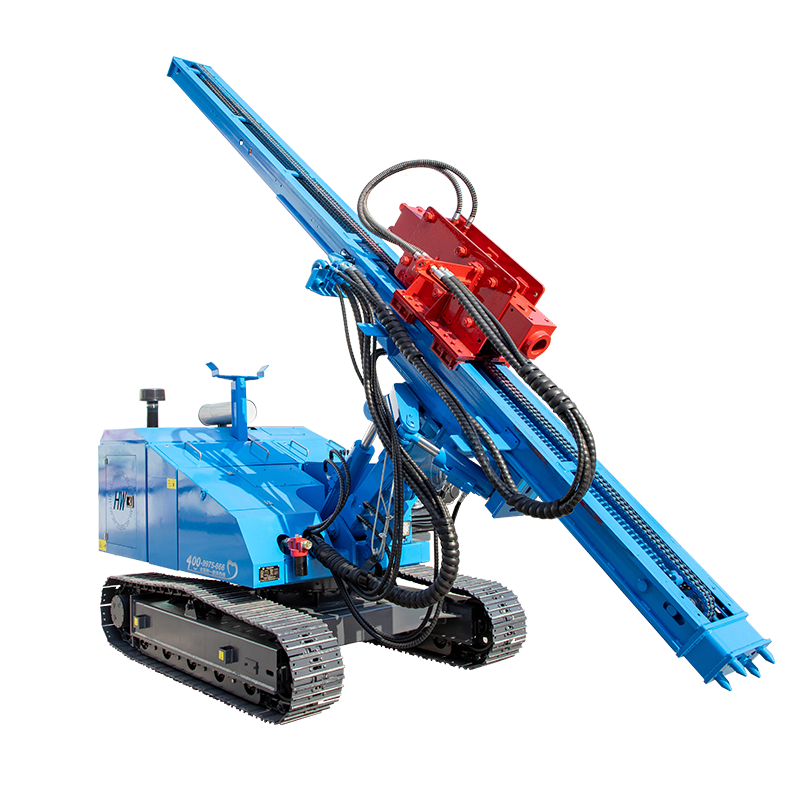
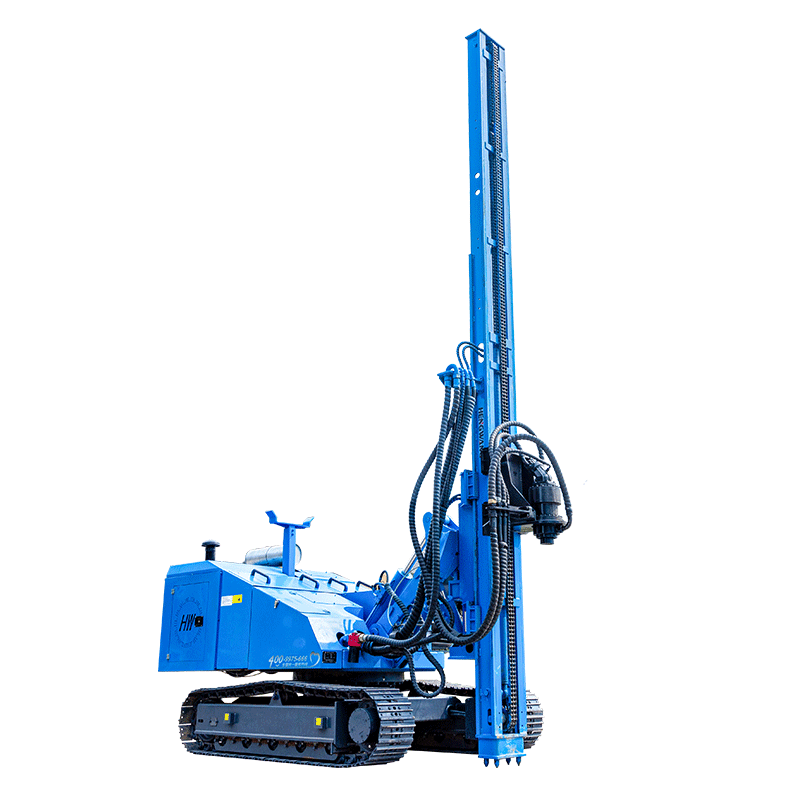
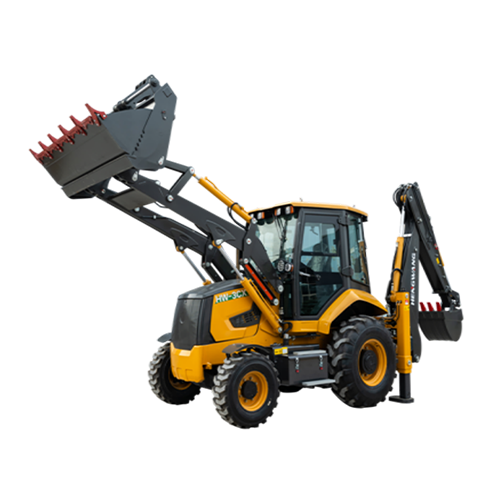
Excavators are the backbone of construction projects, and mastering their operation directly impacts productivity and equipment longevity. Below are eight core techniques tailored to different working conditions, ensuring safe and efficient excavation:
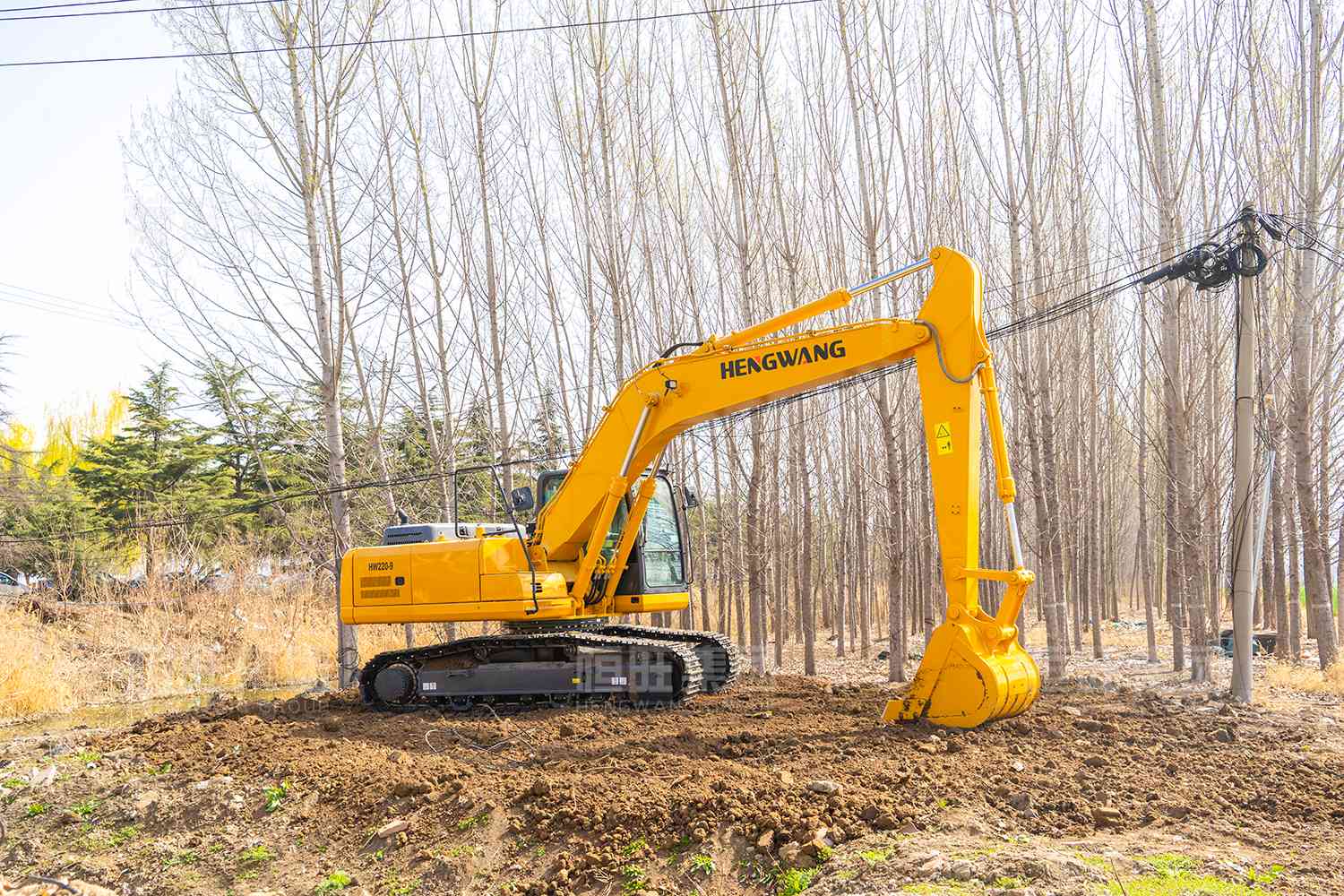
Before starting, complete three critical checks:
Environmental Scan: Identify obstacles, underground cables, and slope gradients. Maintain a 5m safety radius during rotation.
Track Alignment: Ensure both tracks fully contact the ground. Test travel stability with a 1-minute idle run.
Hydraulic Warm-Up: Idle for 3 minutes. Cycle the boom and arm through full strokes 3 times to reach 40°C+ oil temperature.
Optimal angles can boost productivity by 30%:
90° Peak Force Zone: Maximize digging force (120% of rated capacity) by aligning the bucket cylinder and arm at 90°, ideal for hard soil.
30° Cutting Angle: Reduce cutting resistance by 25% with a 30° bucket tooth-to-ground angle, perfect for loose materials.
Combined Motion: Simultaneously control boom lift and bucket curl to increase hourly output by 20%.
1. Rock Excavation (Four-Step Method)
Pre-Break: Use a hydraulic breaker for rocks >30cm to prevent cylinder damage.
Crack Alignment: Position the machine parallel to rock fissures for vertical tooth insertion.
Gradual Force: Apply slow, steady arm force after tooth insertion to avoid slippage.
Layered Digging: Excavate in 20cm layers; avoid deep single-pass digging.
2. Water Operation (Two Forbidden Zones)
Truck Loading Best Practices:
▶ Park on level ground, maintain 3m clearance from trucks.
▶ Use left-hand rotation to reduce blind spots by 40% and cycle time by 15 seconds.
▶ Load sand/gravel first, then large rocks to minimize truck bed impact.
Long-Distance Transport:
▶ Travel ≤5km/h; use lowboy trailers for distances >10km.
▶ Position drive wheels front-first when mounting/dismounting trailers (≤15° ramp angle).
Level the machine with ≤3° track tilt.
Maintain a 120°-150° boom-to-arm angle.
Use "stepped" reverse motion with 20cm overlaps.
Limit cutting depth to 10cm to avoid instability.
Finish with bucket back-blading for surface smoothness.
Use lifting gear rated ≥1.5x load weight; never lift with the bucket directly.
Control sling length (3-5m) to minimize load swing.
Establish a 10m exclusion zone; no personnel near load path.
Operate in micro-control mode with ≤5° movement increments.
Center of Gravity: Keep digging points ≤2.5m from the machine center to prevent tipping.
Track Configuration: Rear-mounted drive sprockets improve stability by 30% on slopes.
Gear Selection: Use 1-2 gears in complex conditions to avoid high-speed instability.
Daily: Clean radiator fins; check track tension (3cm max sag).
Weekly: Lubricate pivot points; test hydraulic oil contamination.
Monthly: Calibrate cylinder position sensors; validate brake response time.
Efficiency in excavator operation lies in condition-specific adaptation and meticulous attention to detail. From rock breaking to underwater tasks, each scenario demands strategic adjustments. Adhering to these guidelines not only enhances productivity but extends equipment lifespan by over 20%, ensuring reliable performance across projects.